
Zambian kwacha (ZK) - ZMW
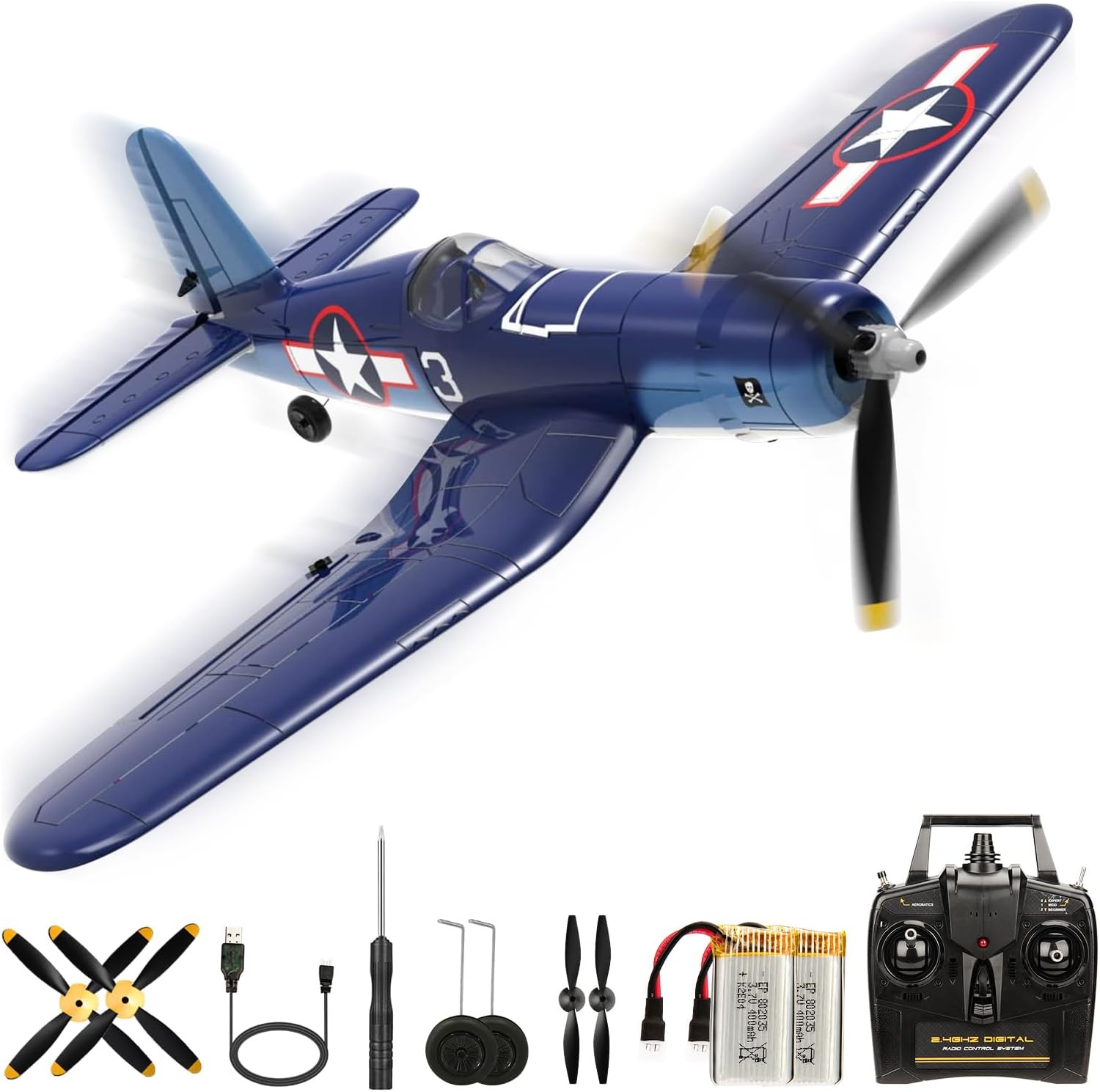
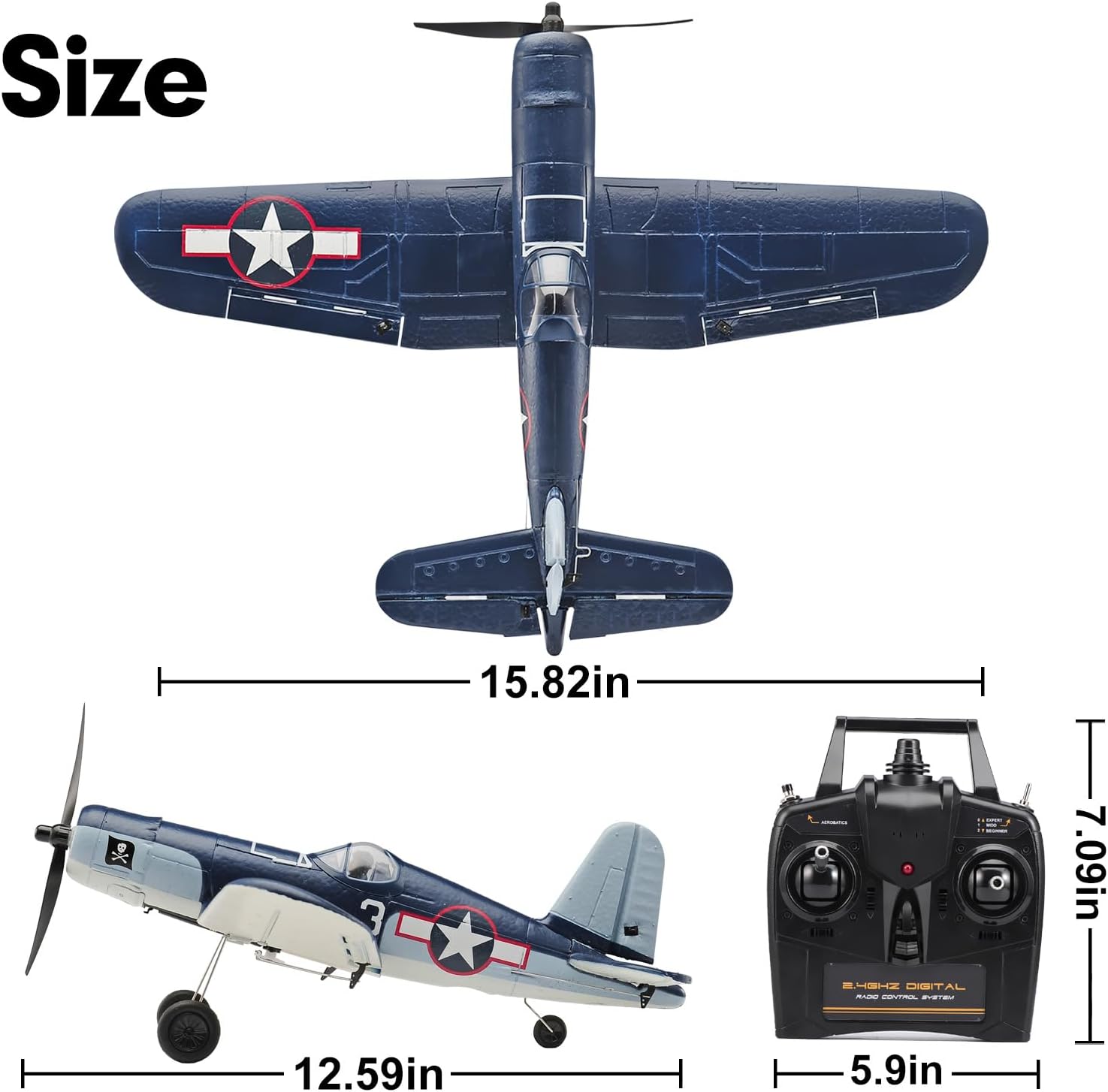
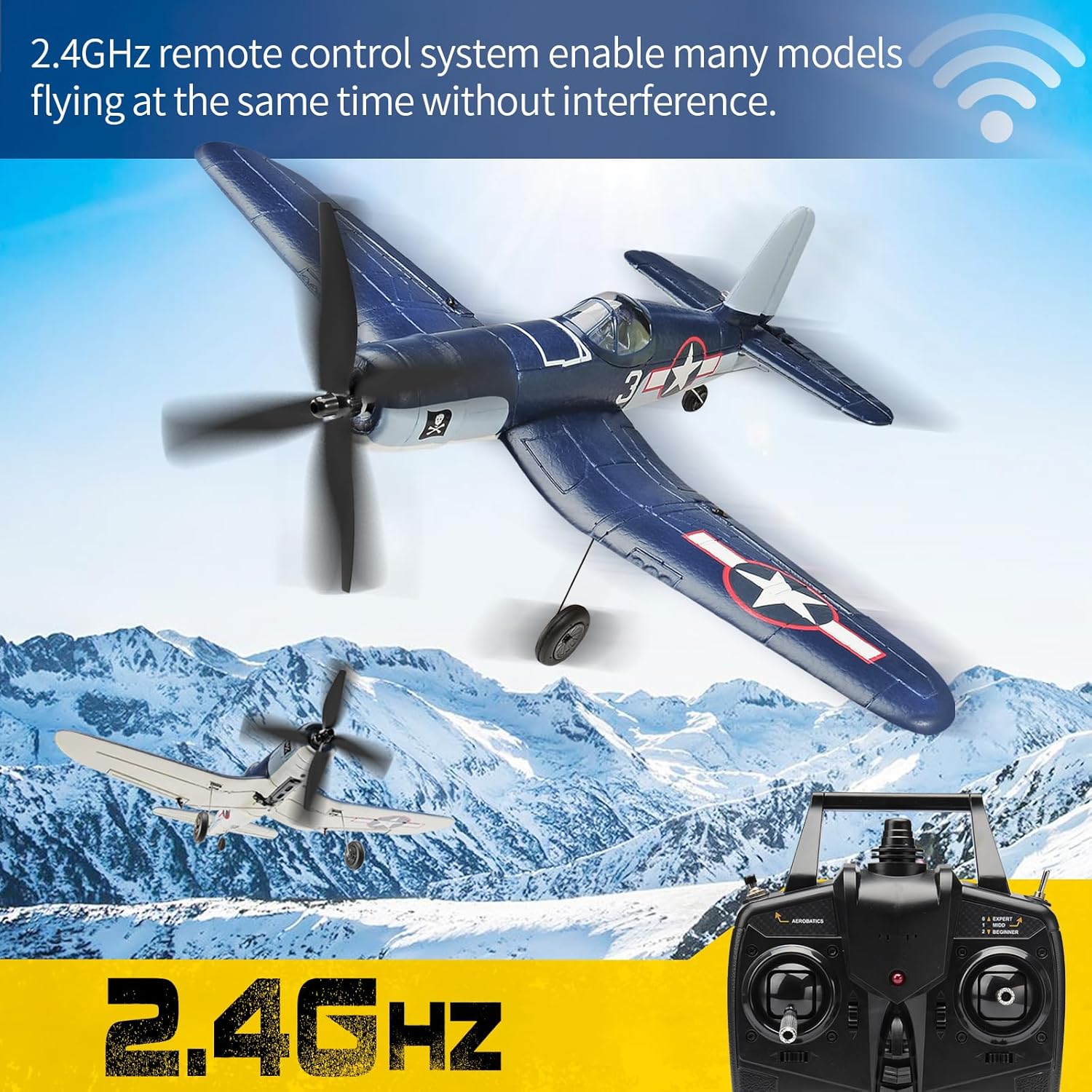
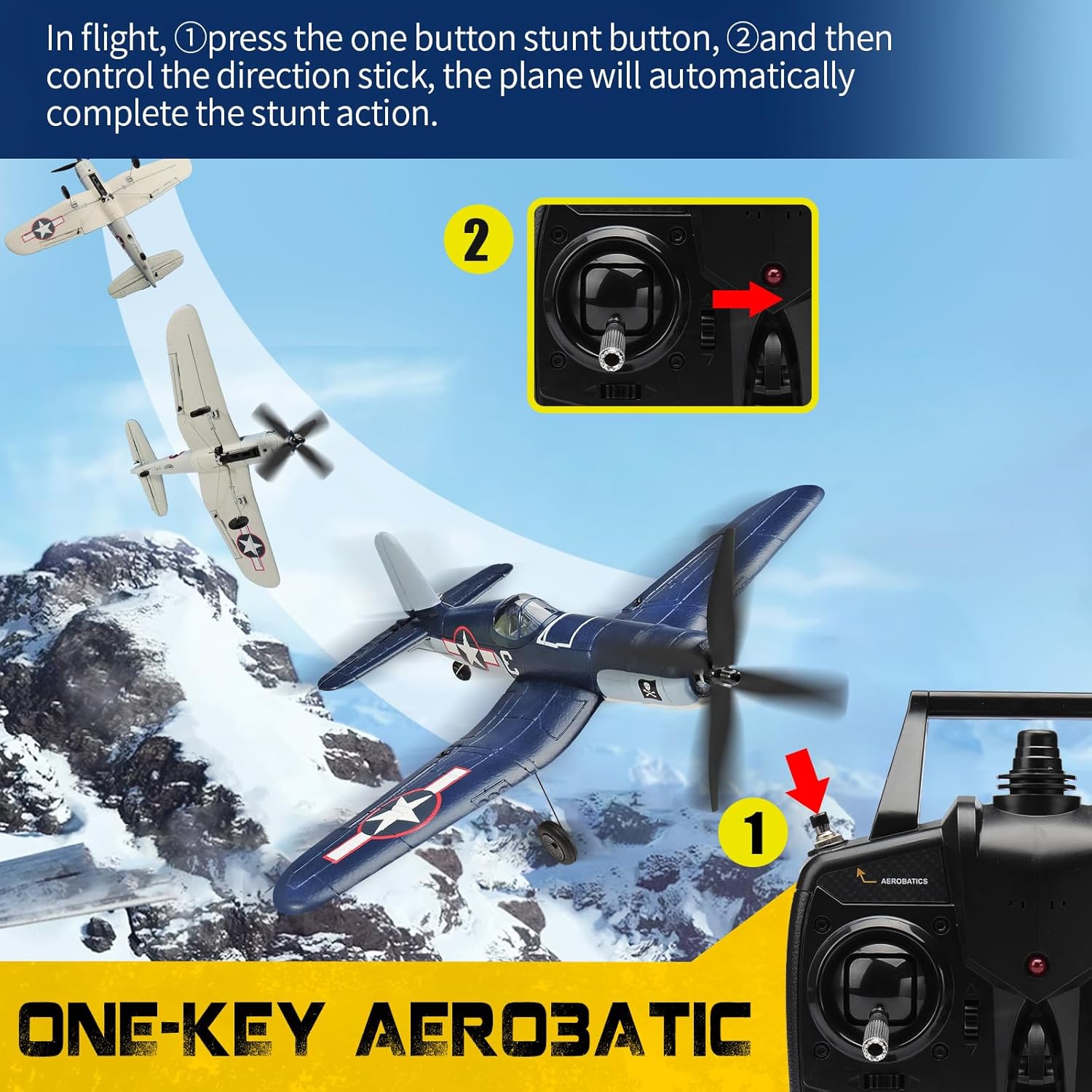
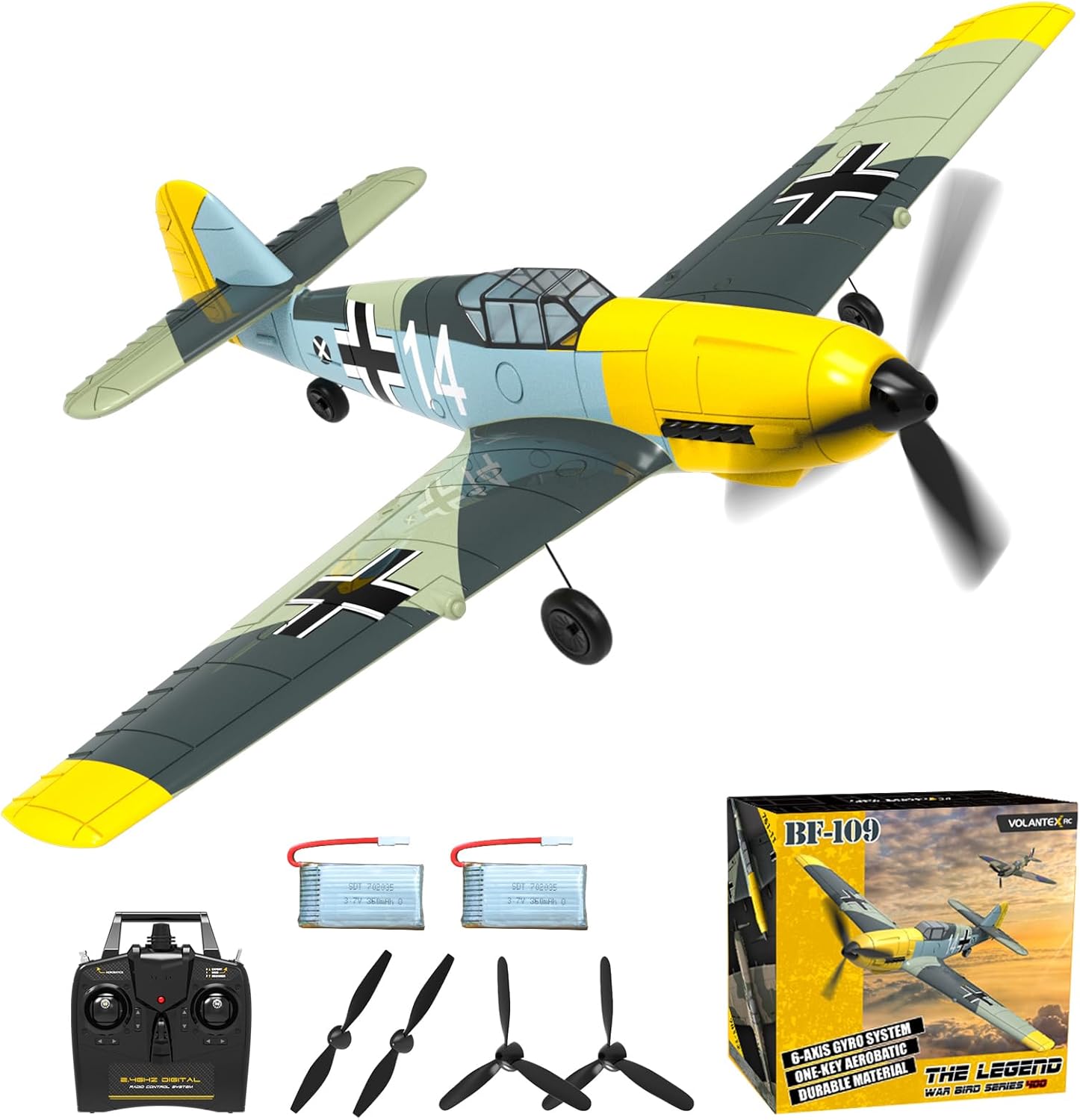
2023 New Upgrade F4U Corsair RC Plane 4 Channel RTF Remote Controlled Aircraft RC Airplane for Beginners Adult with Xpilot Stabilization System & One Key Aerobatic
$ 31.45
I’m a semi-experienced RC pilot, and bought the Volantex Spitfire on semi-impulse. I love the appearance of the Spitfire, and it’s place in history – “Never have so many owed so much to so few,” is the of debt gratitude owed to the Spitfire pilots by the people of UK.So, it’s a sentimental plane for me, and I wanted it to work. And it does! Out of the box it flew fine in beginner and intermediate modes, but in the expected “driving” mode where stick displacement must be held to maintain bank or pitch attitude. A little up elevator while banked makes it turn on a dime, and leave 5 cent’s change. The stunt button works amazingly well, but it’s very hands-off. The plane is doing the flying.At full throttle in level flight in either assisted mode, it oscillated in the roll axis indicating too much gyro gain on the aileron channel. The simple fix was to move the aileron pushrods from the middle to the outer hole in the control horns (see photo). This reduces aileron authority, effectively reducing gyro gain. Roll axis oscillation was almost completely eliminated after this adjustment.Flipping it into “expert” mode caused immediate pilot panic. The plane shot straight up. Thankfully, flipping the switch back to intermediate made it “straighten up and fly right” (any more WWII references and I’ll have to pay royalties).However, I really wanted to fly it myself, rather than have it fly itself. The problem is that the center of gravity (CG) is too far back. I moved it forward by putting four 3/4” wire brads in the motor compartment. The motor hatch is on the underside of the nose. Insert a broad flat screwdriver or the corner of a credit card into the seam in front of the battery hatch to pry off the foam compartment cover (more like e plug, really). The foam will temporarily compress adequately to remove it without damage. Prying from the propeller side of the compartment would probably damage the foam of the plug. Re-insert the plug by putting the propeller edge in first, and compress the battery edge enough to pop it back in place.The wire brads work well as ballast, since you can add them one at a time, and they stick to the motor by magnetic attraction. Four seemed about right for my plane, others may vary due to sample variance in paint thickness or foam density. The is a tiny model, and small changes in weight can make huge differences in handling.With the CG shifted adequately forward, in level flight the model can be switched to unassisted flight with no change in attitude. It then becomes super responsive to control inputs, so you’ll need to develop a gentle touch while you become familiar with the “real” Spitfire. The assisted modes are available at the flip of a switch to bail you out of imminent crashes.In full manual mode, I have learned to make it do split S’s, rolls, loops, and once I managed a sloppy Cuban Eight. There doesn’t seem to be enough rudder authority for hammer heads, and inverted flight will stay out of reach until I have mastered it on a less sensitive, larger model.If you’re flying on grass (recommend for crash protection), don’t bother with the landing gear. I had several damage-free “CFIT” incidents (Controlled Flight Into Terrain) before planting it VERY solidly nose-first, which snapped the nose. A field repair with a small hot glue gun had me flying again in 15 minutes. Hot glue will add weight quickly, which is critical on a tiny model. If you’re patient, foam cement will make better repairs and add less weight per crash.So in summary, this model exceeded my expectations after the minor modifications described above. It’s beautiful to look at stationary, and even more so in flight. It flies a long time on one battery (I’d guess at least 10 minutes, but I didn’t time it). Get a handful of extra batteries and fly it all afternoon. [...]
Related products
-
-
-
-
2023 New Upgrade F4U Corsair RC Plane 4 Channel RTF Remote Controlled Aircraft RC Airplane for Beginners Adult with Xpilot Stabilization System & One Key Aerobatic $ 31.45 Select options This product has multiple variants. The options may be chosen on the product page